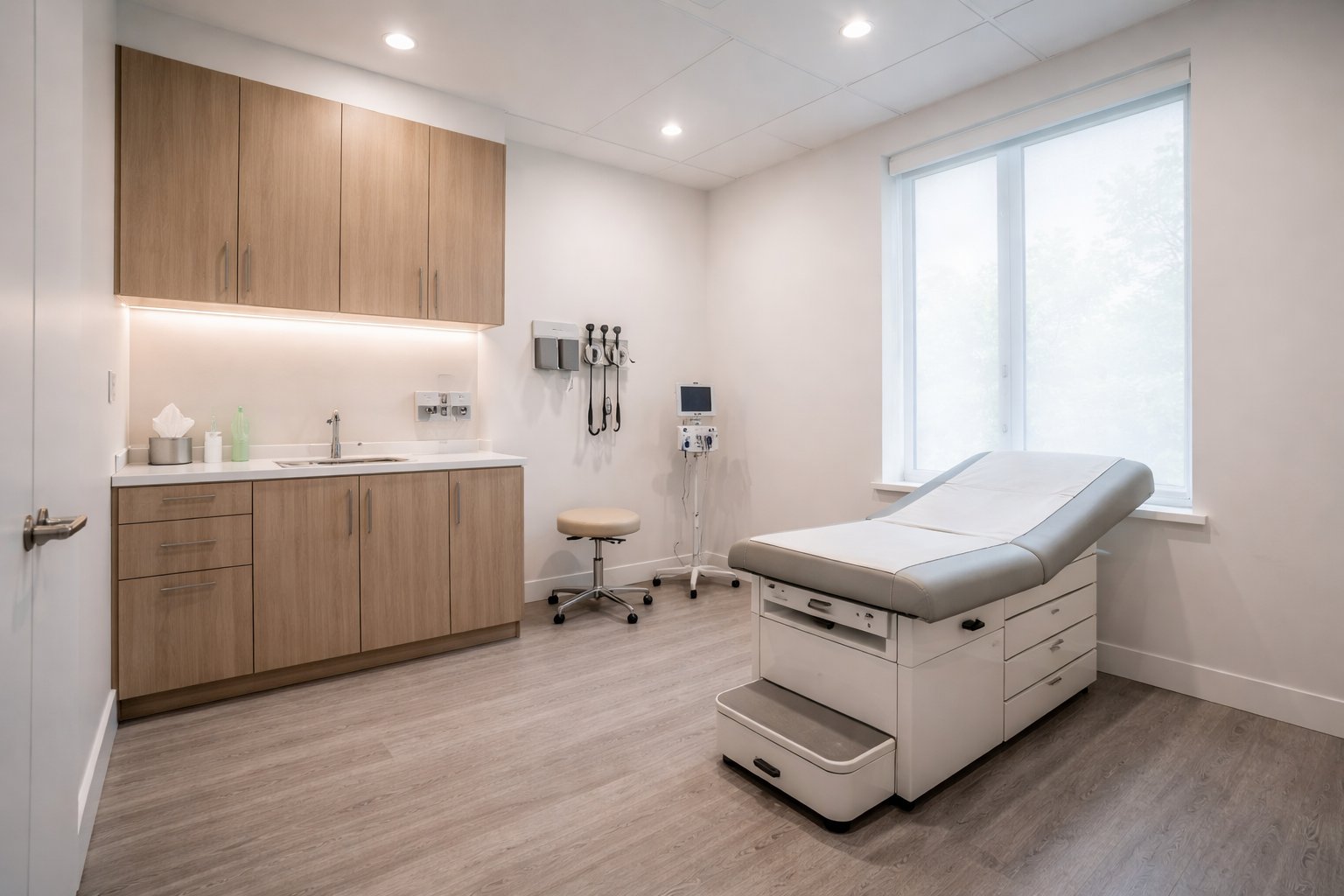
If you are a doctor, dentist, physiotherapist, or other practitioner looking for your first clinic, you may never have rented commercial space before. The listings say "for lease," the rates are per square foot per year, and every space seems to come with a listing agent. A fair first question is whether you need a realtor of your own, and what it will cost you. The short answer: you do not have to have one, it usually does not cost you a direct fee, and it often saves you money over the life of the lease.
Do You Have to Use a Realtor?
No. Nothing requires a tenant to have representation. You can call the number on the sign, book a showing with the listing agent, and make an offer yourself.
What matters is understanding who is working for whom. The agent named on the listing has been hired by the landlord. Their job is to lease the space on terms that suit the landlord: higher rent, a longer term, and fewer concessions. That is not a criticism; it is simply the role. It means that if you go it alone, nobody in the deal is responsible for protecting your interests. We cover this in more detail in The Landlord's Agent Sent You a Lease Offer.
Who Pays the Realtor?
This is the question most practitioners ask first, and the answer often surprises them. In most commercial leases, the tenant's broker is paid through a cooperating commission from the landlord or the landlord's brokerage. That commission is usually already part of the landlord's leasing budget, so the tenant often pays no direct fee.
Arrangements do vary from deal to deal. Before you engage anyone, ask how they are paid, and get the answer in writing.
What a Tenant Rep Does That You Cannot Easily Do Yourself
A clinic lease usually runs five to ten years, and the terms set in the first few weeks decide most of what you will pay over that time. A representative who works on clinical space can help you:
- Find space that can legally and practically be a clinic. Not every office or plaza unit is zoned for medical use, and many lack the plumbing for sinks in exam rooms, accessible washrooms, or enough parking for patients.
- Compare the real monthly cost. Advertised rates rarely include taxes, maintenance, and insurance, which are added on top. See how medical office rent is quoted.
- Search beyond what is advertised. Some of the best clinic space is leased before it is ever listed.
- Negotiate the terms that matter most for a practice, such as the build-out allowance, free rent while you build, renewal options, the right to sell or transfer the lease if you sell the practice, and whether a personal guarantee is required.
Do You Also Need a Lawyer?
Yes. A broker and a lawyer do different jobs, and most clinics use both.
- Your broker negotiates the business terms: rent, allowance, free rent, length of term, renewal options, and signage.
- Your lawyer reviews the legal wording in the offer to lease and the full lease before you sign, including the guarantee, default, and repair clauses.
The offer to lease is usually where the business terms are agreed, so bring both in before you sign it, not just before you sign the final lease.
What About Using a Residential Realtor?
Any licensed agent can represent you, including one who usually helps people buy homes. But commercial leasing is a different world. Rent is quoted per square foot per year, extra costs are added on top, the tenant often pays for its own build-out, and clinics have zoning, ventilation, plumbing, and accessibility needs that a typical office does not. An agent who works on medical and clinical space every week will know which questions to ask and which problems to look for.
What You Can Do on Your Own First
Before you call anyone, a little preparation will make every conversation faster:
- Set a monthly budget for the full cost, not just base rent.
- List the rooms you need: exam or treatment rooms, a waiting area, reception, washrooms, storage, and any specialized rooms.
- Pick your preferred areas, such as Toronto, Peel Region, York Region, Calgary, or Edmonton.
- Note your timing, including when any current lease ends.
- Browse current medical office and clinic listings to get a feel for what is available.
How PRAXIS Helps
PRAXIS Healthcare Real Estate, the healthcare practice of Lucero Commercial Group, works only on medical, dental, and clinical real estate across Ontario and Alberta. Led by Principal Broker Mya Qi, MPH, we help practitioners find space that works as a clinic and negotiate terms that protect the practice. We always disclose whom we represent upfront, and if we work with both parties on the same deal, that is disclosed in writing and handled as provincial rules require. Learn more about our tenant representation service, or contact us to start your search.
Frequently asked
You are not required to have one. You can call a landlord or the listing agent yourself. But the listing agent works for the landlord, so if you want someone on your side comparing spaces, checking that a unit can work as a clinic, and negotiating the rent and terms, you need your own representative, often called a tenant rep.
In most commercial leases, the tenant's broker is paid through a cooperating commission from the landlord or the landlord's brokerage, so the tenant often pays no direct fee. Arrangements vary, so ask how your representative is paid and get it in writing before you start.
You can, but that agent is hired by the landlord to lease the space on the landlord's terms. They can show you the unit and pass along your offer, but their job is not to tell you whether the rent is high or which clauses are unusual. In Ontario and Alberta, the agent must tell you in writing whom they represent.
Yes, it is strongly recommended. A broker negotiates the business terms, such as rent, the build-out allowance, free rent, and renewal options. A lawyer reviews the legal language in the offer and the lease before you sign. Most clinics use both.
Any licensed agent can, but commercial leasing works very differently from renting a home. Rent is quoted per square foot per year, extra costs are added on top, leases usually run five years or longer, and clinics need specific zoning, plumbing, and accessibility. An agent who works on clinical space regularly will spot problems a residential agent may miss.