Who We Serve · Mental Health

Mental Health & Psychology

Psychology, psychotherapy, counselling, and group mental-health practices — space chosen and built to protect confidentiality and calm, across Ontario and Alberta.

Discuss Your Space ← Who We Serve
Clinical PsychologyPsychotherapyCounsellingSocial WorkGroup PracticesAddiction & RecoveryChild & AdolescentNeuropsychologyCBT/DBT ClinicsMarriage & Family TherapyTrauma TherapyPsychological AssessmentClinical PsychologyPsychotherapyCounsellingSocial WorkGroup PracticesAddiction & RecoveryChild & AdolescentNeuropsychologyCBT/DBT ClinicsMarriage & Family TherapyTrauma TherapyPsychological Assessment
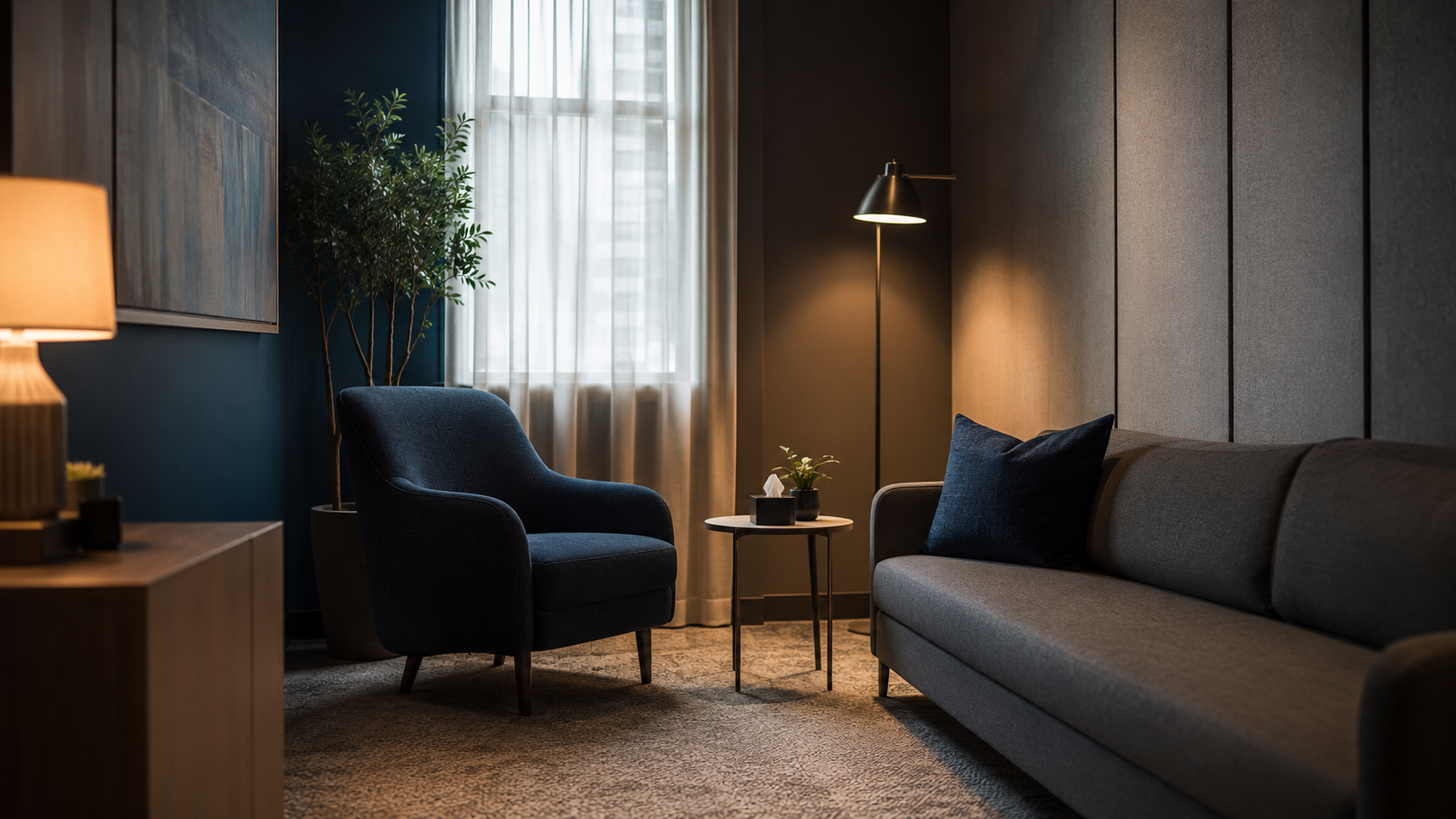
Mental Health & Psychology clinical real estate

Space that protects confidentiality and calm

A mental health practice lives or dies on privacy. Conversations can't carry between rooms, departing clients shouldn't cross paths with those waiting, and the environment itself has to feel calm from the moment someone arrives. Few commercial brokers ever read a floor plan this way.

Mya Qi, MPH evaluates buildings for acoustic and privacy potential first, then negotiates the permitted use and improvement allowances that make a proper build-out possible — so the space supports clinical trust rather than quietly undermining it.

PRAXIS advises solo psychotherapists and group mental-health clinics alike, across Ontario and Alberta.

Acoustic Privacy

Sound That Stays in the Room

Genuine sound isolation between offices, corridors, and reception — planned into the build-out, not hoped for afterward.

Layout

Discreet Circulation

A separate exit path and considered sightlines, so clients can come and go without feeling exposed.

Room Programming

Right-Sized Offices

The right mix of individual therapy rooms and a larger space for couples, family, or group work — without paying for square footage you can't use.

Lease Strategy

Built for Evenings

After-hours HVAC, lighting, and building access confirmed up front, since so much of the work happens outside business hours.

Frequently asked — Mental Health & Psychology real estate

Acoustic privacy comes from construction detail — insulated wall assemblies, solid-core doors, proper seals, and careful handling of shared ductwork. It is best planned into the build-out from the start, and a broker can help you assess a space's potential and negotiate the improvements before you sign.

Often yes, but it depends on the municipal zoning and the landlord's permitted-use clause, which should clearly allow a health or counselling practice. Confirm both early, and have the lease reviewed by your own legal advisor before committing.

It can, because HVAC, lighting, and building access are sometimes limited to standard business hours. Ask whether after-hours climate control and entry are available, and clarify whether they carry additional cost, so evening and weekend sessions are comfortable and accessible.

Both are viable and depend on your timeline, budget, and how specific your privacy and layout needs are. Leasing with a well-negotiated improvement allowance suits many practices, while a larger or growing group may benefit from a purpose-built space; a broker can help you weigh the options.

Planning space for your mental health & psychology practice?